Build modern native Apple SaaS apps with SwiftUI starter kits. These boilerplates use Apple's declarative UI framework to deliver fluid iOS and macOS experiences with authentication, RevenueCat subscriptions, and clean architecture.
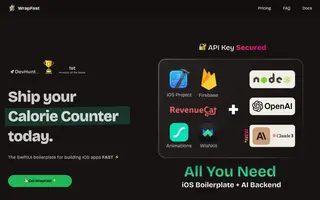
Created by Matt Siatrak, a veteran Solution Architect, this SwiftUI boilerplate helps indie developers build, ship, and monetize iOS apps faster with integrated AI capabilities.
Created by indie iOS developer Juanjo Valiño, this SwiftUI boilerplate helps developers launch monetizable AI-powered apps faster with integrated authentication, payments, and secure API backend services.
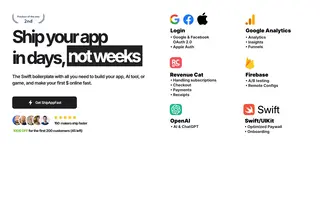
Created by an ex-Apple Senior Engineer who helped develop offline Siri, this Swift boilerplate toolkit helps indie developers launch profitable apps faster with integrated modules for payments, analytics, and AI capabilities.
SwiftUI's concise syntax builds fluid, animated Apple interfaces with less code.
Share UI code across iPhone, iPad, and Mac from one SwiftUI codebase.
Pre-built RevenueCat paywalls and StoreKit handling shorten time to revenue.
MVVM and reusable views keep your app organized as it grows.
Discover popular technology combinations using SwiftUI for your SaaS project
Vibe coding tools like Lovable and Bolt generate a working app from a prompt — but should you use one, or start from a boilerplate? An honest comparison by profile, product complexity, cost and code ownership.
Discover the key factors to consider when selecting a frontend language for your SaaS project. Compare TypeScript, JavaScript, Swift, and Dart to make an informed decision.
Compare modern frontend frameworks like Next.js, Nuxt, Vue, Angular, and Svelte. Learn about their strengths, use cases, and how to select the best one for your project.
Learn the essential steps to build a mobile SaaS application. Explore native vs cross-platform development, key technologies, and best practices for mobile-first SaaS solutions.
Explore comprehensive comparisons of backend languages and services, from Python and Node.js to Go and C#. Learn their strengths, limitations, and ideal use cases for your SaaS project.
Yes. SwiftUI is mature and Apple's recommended way to build UI for iOS, iPadOS, and macOS. It's ideal for premium, native Apple-platform SaaS apps.
For new apps, SwiftUI is the modern default — faster to build and maintain. UIKit is still used for complex, legacy, or highly custom interfaces, and the two can interoperate when needed.
Through StoreKit, usually simplified with RevenueCat, which manages subscriptions, entitlements, trials, and paywalls across Apple platforms.