Discover the best Rails and Ruby SaaS boilerplates. Production-ready starter kits combining Rails with Ruby for rapid development.
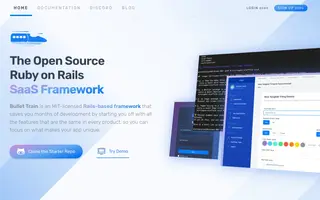
Created by Andrew Culver, this Ruby on Rails SaaS framework helps developers and entrepreneurs launch production-ready applications faster with built-in authentication, team management, and API functionality.
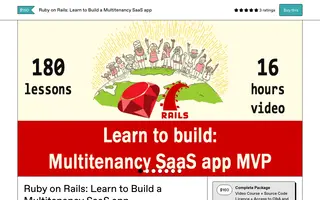
Created by Yaroslav Shmarov, this Ruby on Rails boilerplate helps developers and entrepreneurs build multi-tenant SaaS applications quickly with integrated Stripe subscriptions, team management, and i18n support.
Created by a full-stack developer, this Next.js and Django Ninja boilerplate helps SaaS developers launch production-ready applications faster with integrated authentication, Stripe payments, and admin dashboard capabilities.
Rails paired with Ruby is a proven combination for building modern SaaS products. Ship a complete SaaS fast with Ruby on Rails starter kits. Move fast with Ruby on Rails SaaS starter kits designed for solo founders and small teams. The boilerplates below integrate Rails and Ruby for you — with authentication, subscription billing, database setup, and deployment already wired up — so you can skip the plumbing and start shipping features.
Leverage the power of Rails combined with Ruby for a robust, modern tech stack that accelerates your development.
Pre-configured setup with Rails and Ruby working seamlessly together, including authentication, database, and deployment.
Each boilerplate follows industry best practices for both Rails and Ruby, ensuring maintainable and scalable code.
Skip weeks of configuration and integration work. Start building features immediately with battle-tested Rails + Ruby templates.
Explore other popular combinations with Rails or Ruby
Vibe coding tools like Lovable and Bolt generate a working app from a prompt — but should you use one, or start from a boilerplate? An honest comparison by profile, product complexity, cost and code ownership.
Discover the key factors to consider when selecting a frontend language for your SaaS project. Compare TypeScript, JavaScript, Swift, and Dart to make an informed decision.
Compare modern frontend frameworks like Next.js, Nuxt, Vue, Angular, and Svelte. Learn about their strengths, use cases, and how to select the best one for your project.
Learn the essential steps to build a mobile SaaS application. Explore native vs cross-platform development, key technologies, and best practices for mobile-first SaaS solutions.
Explore comprehensive comparisons of backend languages and services, from Python and Node.js to Go and C#. Learn their strengths, limitations, and ideal use cases for your SaaS project.
Rails brings convention Over Configuration, while Ruby adds convention Over Configuration. Together they cover both sides of a modern SaaS architecture. Starting from a boilerplate that already integrates Rails and Ruby saves you the tricky configuration and integration work, so you can focus on your product.
A solid Rails + Ruby starter kit ships with authentication, Stripe or Paddle billing with webhooks, a configured database, transactional email, and deployment scripts — plus a clean integration between Rails and Ruby so the two work together out of the box.
Yes. Rails and Ruby are both actively maintained and widely used in production SaaS applications. Pairing them is a popular, well-supported choice, and the boilerplates in this list prove the combination works in real products.